
Crawl Space Encapsulation & Moisture Barrier Services
A dry, sealed crawl space protects your home’s structure, air quality, and energy bills, and takes away the environment termites and mold need.
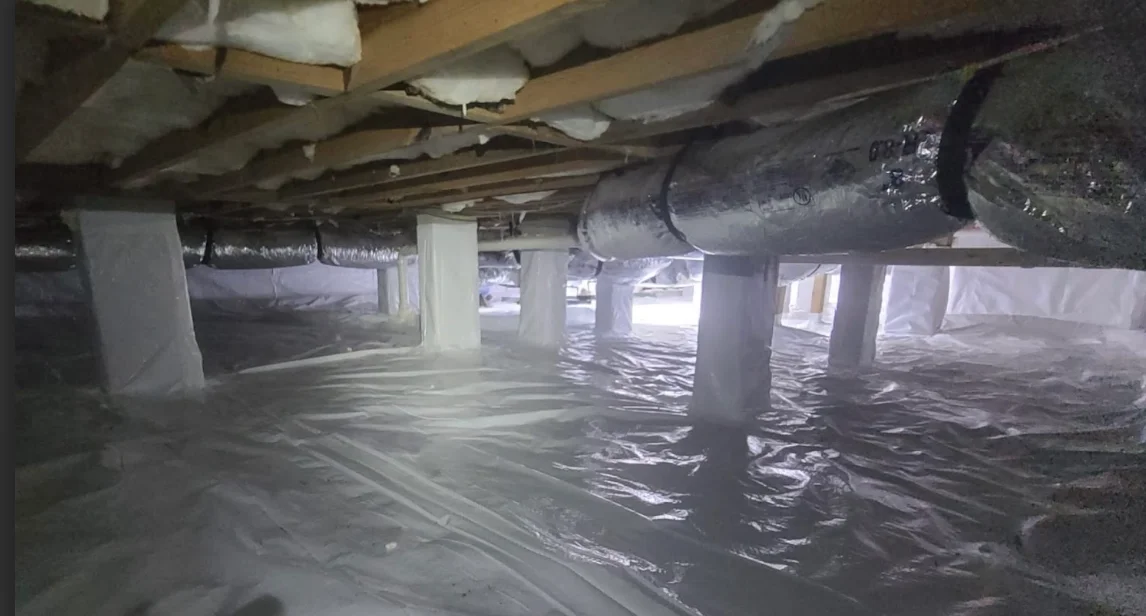
An Unsealed Crawl Space Works Against Your Whole House
If your home has a crawl space, controlling moisture down there is essential to the structural integrity and health of everything above it. Unsealed crawl spaces trap humidity (the perfect environment for mold growth, wood rot, termites, powder post beetles, wood-boring beetles, and other pests).
Our encapsulation and moisture barrier services create a clean, dry, energy-efficient foundation environment. Whether your home needs a durable vapor barrier or a complete encapsulation system, our experts evaluate the space and recommend the solution that keeps it dry, protected, and functioning, long term.
Benefits of Professional Crawl Space Protection
- Moisture and humidity control
- Mold and mildew prevention
- Protection from termites and wood-destroying organisms
- Improved home energy efficiency
- Better indoor air quality
- Long-term protection for your home's foundation


Crawl Space FAQs
What's the difference between a vapor barrier and full encapsulation?
A vapor barrier is a heavy liner over the crawl space floor that blocks ground moisture. Full encapsulation seals the entire space (floor, walls, vents) often with humidity control, creating a clean, dry, conditioned environment. We recommend the right level for your home.
Does a damp crawl space really attract termites?
Yes, moisture is the single biggest invitation. Humid, unsealed crawl spaces are ideal for termites, powder post beetles, wood-boring beetles, mold, and wood rot. Drying the space removes the conditions they need.
Will encapsulation lower my energy bills?
Typically, yes. A sealed, dry crawl space reduces the load on your HVAC system and stops humid air from infiltrating the living space above.
Wondering what's under your house?
Free crawl space evaluations across Cumming and metro Atlanta.